
Presuming Competence: Why Tosh Chose Public School
Sep 20, 2026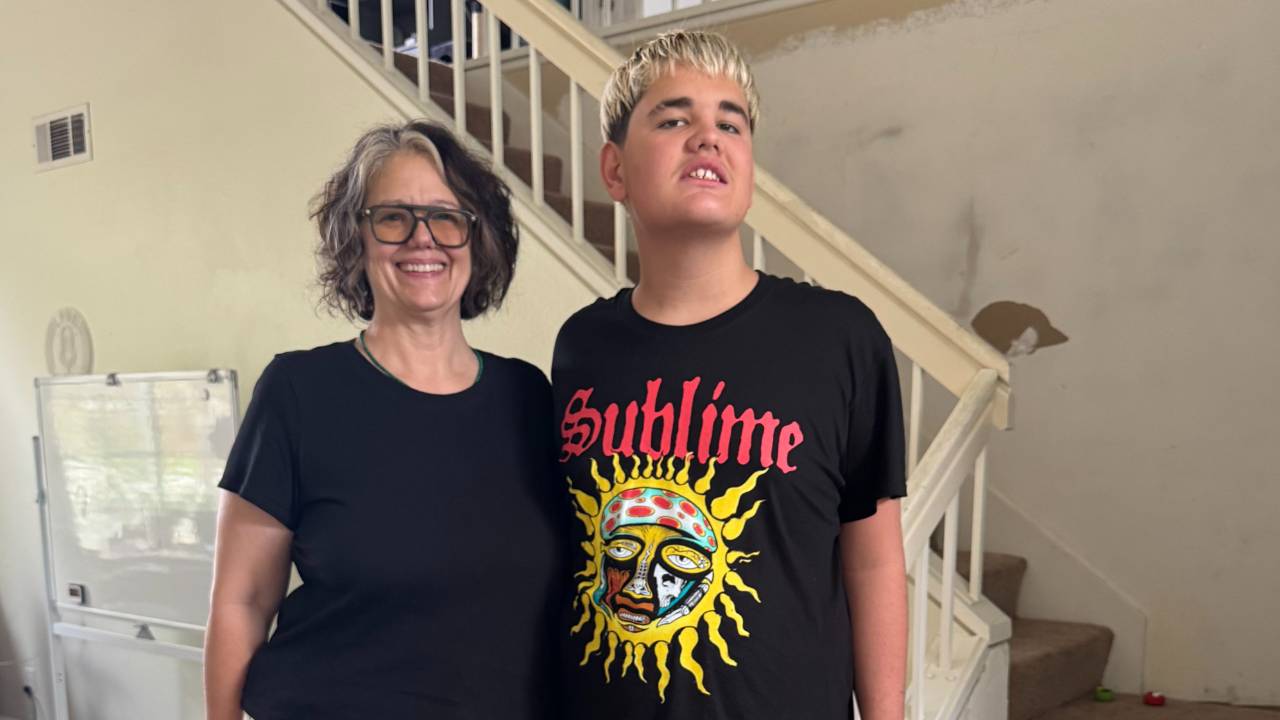
Well, I didn’t see that coming.
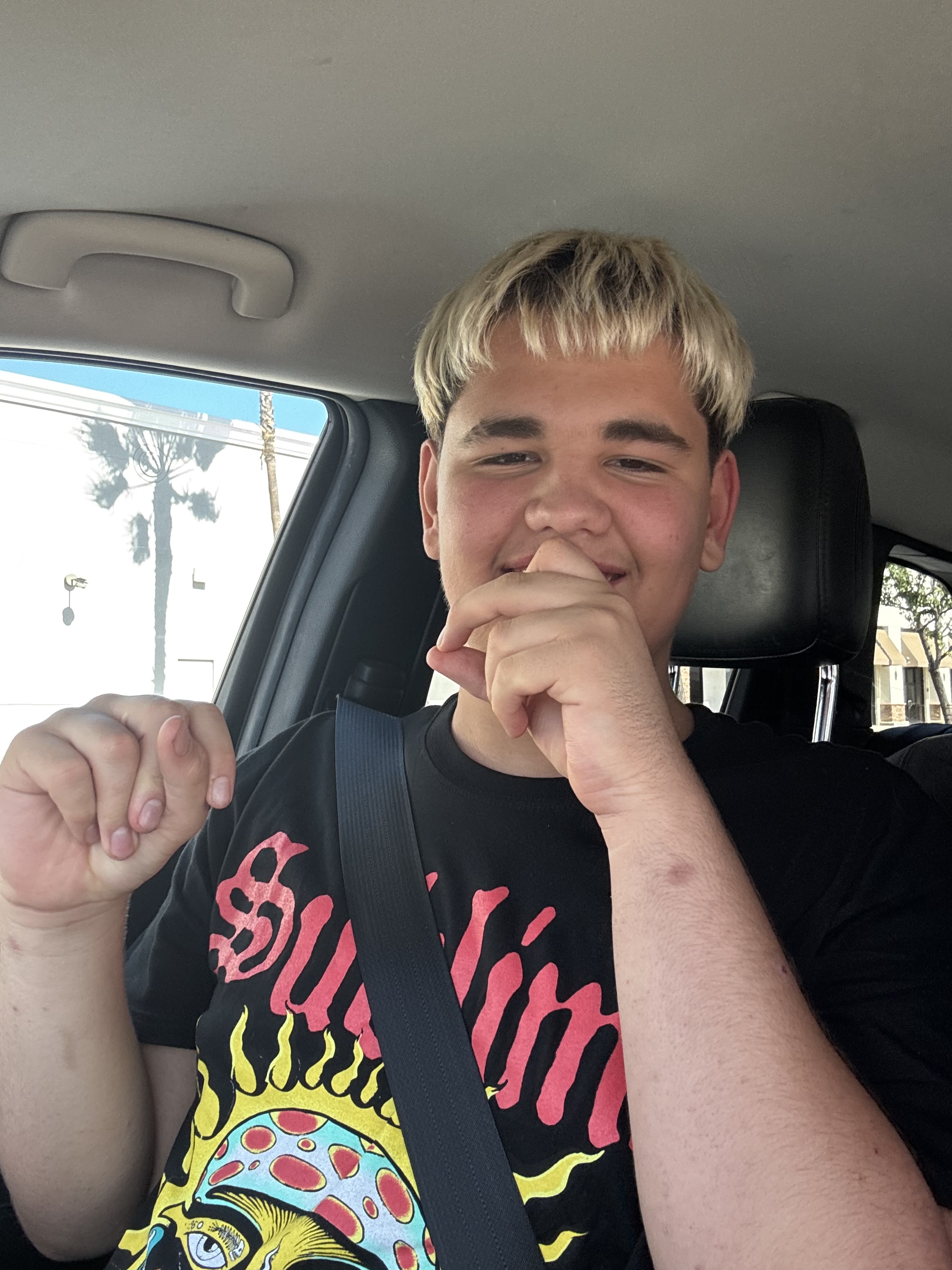
Last week, my son Tosh returned to public school. It was his choice, and we support him completely.
His reasons aren’t unexpected. Tosh has always been a highly social guy who loves being around people and making friends. After eight years of homeschooling, he was lonely and bored of being with mom all day. He wants to experience American high school—a unique cultural experience envied by teenagers around the world.
This decision isn’t unprecedented in my family. I have two half-sisters who were homeschooled in rural Kentucky. One of my sisters graduated from her homeschool program, but the other sister returned to public high school at the same age Tosh is now (and both graduated from the same college with honors).
I spoke with my sister who returned to public high school about her experience. She recalled two things: first, the transition wasn’t nearly as difficult as expected; and second, she was willing to endure any difficult transition if it meant she could spend time with literally anyone else besides her immediate family.
When I shared that with Tosh, he laughed and said "yeah."
Ouch. But they're right. Isolation isn’t good for anybody, especially a social teenager.
So, armed with the ability to reliably point at the correct multiple-choice answer, a promising new cocktail of medications, and the confidence of a guy who has had his intelligence presumed most of his life, Tosh began public high school this past Wednesday.
He was placed in a foundational, but diploma-track, self-contained classroom to begin, due to his high support needs. It only took two days for his teacher to suspect the placement is below his academic abilities. Thankfully, there is a self-contained classroom on his campus that teaches an alternative mainstream curriculum—presumably the mild-moderate room I feel is his best placement.
Intellectually, Tosh could handle mainstream academics. However, his body couldn’t handle a full day of mainstream classroom behavioral expectations. There should be a mainstream academic program for kids with high support needs in every school in America. My dream is that someday, Autism Oasis is so successful our doors will be forced to close because we’ll all be able to send our kids to public school, where they will be respected, accommodated, and safe. For now, however, most school districts assume high support needs includes intellectual disability.
I understand why that happens. Most of our students present as intellectually disabled. It’s usually only the parents who spend enough time with them to see their true intelligence.
We see the kid who memorizes our password with just one side-eyed glance and treats himself to a shopping spree in the time it takes us to unload the dishwasher. We hear the kid who still watches Baby Einstein videos on YouTube, but for six months last year, she watched them in Russian and independently became bilingual. We know the kid who doesn’t seem to understand anything around them, but then lets out a chuckle when we make an adult joke about someone they know.
Without those breakthrough moments, we’d probably draw the same conclusion.
Late Friday, I spoke with Tosh’s school’s vice principal and told him Tosh needs to be moved up a notch academically. The vice principal said he’d observed Tosh in class and agrees he has done well so far. He noted that before Tosh can be formally moved, the school must first conduct a full assessment.
Ugh. The A-word.
That horrific battery of tests that fail to accommodate our students’ disabilities. Instead, they amplify them, producing artificially low scores that don’t represent actual intelligence. Despite an abundance of academic research proving this traditional approach underestimates our kids, these assessment methods persist.
My defenses went up immediately, and I was so rattled I lost my words.
“I need to know all the tests being performed and what accommodations will be provided,” I finally stammered.
Looking back, it makes me chuckle that both the vice principal and I probably experienced the exact same feeling at once. Until that moment, I had been incredibly impressed with everyone at Tosh’s school, and I think they genuinely liked me. But that one word—assessment—instantly killed the good vibe. We probably both thought: There it is. I knew these people were too good to be true.
But then I calmed down and had a chance to think it through. He was right; an assessment is absolutely necessary. Tosh’s last triennial assessment was back in 2021, when he was just 10 years old. Puberty brought massive challenges, but it also produced a very different 15-year-old kid—one who has improved communication, more body control, and a solid academic background. Plus, it’s the law.
That night, I had a talk with Tosh and explained that muscling through an intensive triennial assessment is required for all special education students. This isn’t just about proving he’s smart; he will also be assessed for services like OT and speech therapy, which he's communicated that he’d like to try again. He confirmed that he is ready and prepared to begin testing this week.
Am I nervous? Of course! But he is also incredibly capable. He has 12 years of practice gesturing at the correct choice, and combined with his reliable yes-no answers, he’s a remarkably resilient communicator. The school will send home the formal assessment plan with Tosh on Monday, and before we go live on Zoom for our weekly Q&A, Mr. Sims will review it and offer his expert recommendations.
Ohhhhhh, did I mention Mr. Sims is on Tosh’s IEP team? Talk about having an ace up your sleeve. I’m confident that with Mr. Sims’ expertise on our side, and his unique ability to bring people together to reach a consensus, Tosh will be placed in the correct program, earn his high school diploma and have a rich high school experience.
Tosh has given his permission to share his story publicly. He knows a lot of nonspeakers and minimal speakers would love to go back to public school and be treated with real dignity. My hope is that just like Tosh and I did with our homeschooling setup, we can help create an actionable roadmap you can use to transition your own student back to school, if that’s what they want.
Nonverbal Autism Homeschool enrollment is currently open!
Stay connected with news and updates!
Join our mailing list to stay updated on Nonverbal Autism Homeschool courses, special events and new blog posts. You'll also receive free curriculum, inspirational messages, autism parenting hacks and more!
We hate SPAM. We will never sell your information, for any reason.
