
The Educational Angle Behind Each Activity: Everything Is a Learning Opportunity
Dec 21, 2025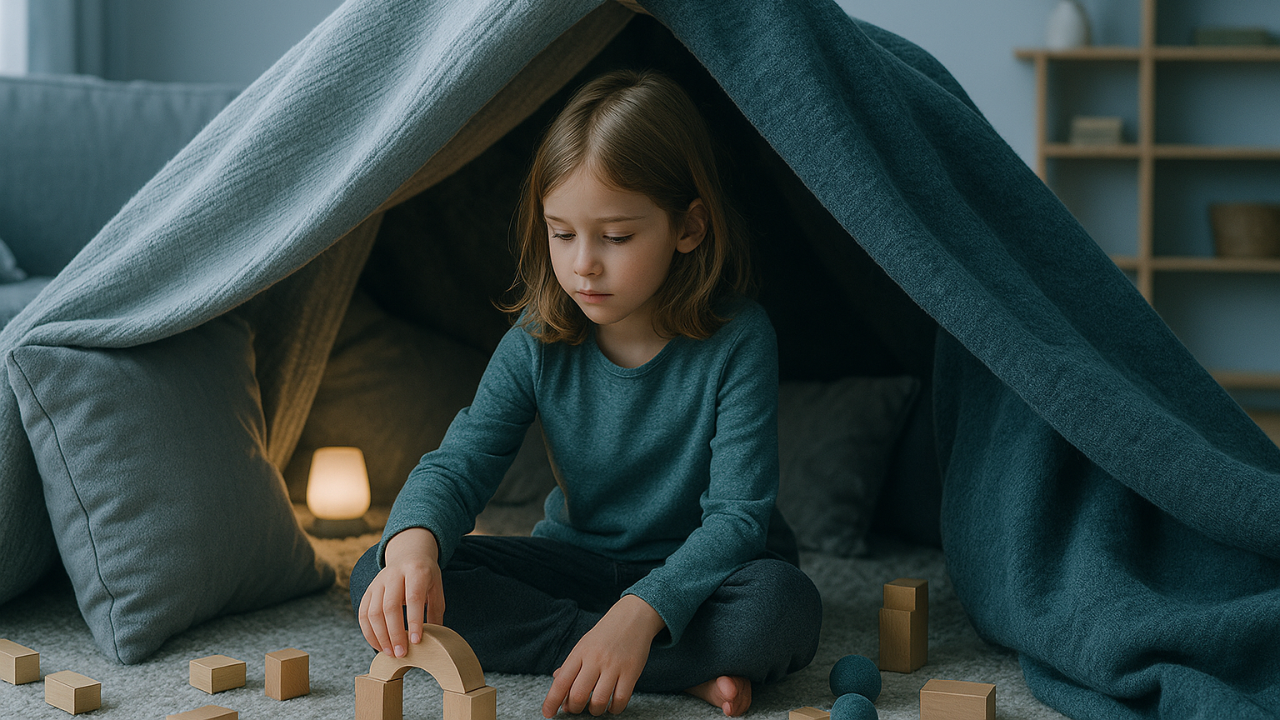
Parents and caregivers often feel pressure to “teach” in a formal way—workbooks, lesson plans, structured sessions, and sit-down learning. But the truth is that learning is happening all the time, and some of the most meaningful growth unfolds in everyday activities, routines, and moments of joy.
When we step back from rigid expectations and begin to look at ordinary activities through an educational lens, everything becomes a chance to build skills, confidence, and connection.
Below are simple examples of how daily play and household rhythms naturally support learning, without turning them into formal lessons or forcing a child, teen, or young adult into a school-like mindset.
🔎 Sensory Play Builds Regulation, Focus, and Emotional Skills
Activities like water play, fidgets, kinetic sand, or swinging aren’t “just fun.” They help strengthen self-regulation, attention span, body awareness, tolerance for sensory input, and emotional processing. When a child can regulate, all learning becomes more accessible.
Educational angle: Sensory play builds the foundation that academic and life skills are built upon.
🏃➡️ Movement Activities Support Brain Development and Executive Function
Running, bouncing a ball, scooter rides, dancing, or using a hover soccer ball all develop motor planning, balance, problem-solving, and persistence. Movement activates neural pathways that increase readiness for learning and planning.
Educational angle: Physical play enhances the brain’s ability to focus, organize, and engage.
🪄 Imaginative or Open-Ended Play Teaches Communication and Critical Thinking
Fort building, pretend cooking, storytelling, or arranging toys creatively strengthens symbolic thinking, sequencing, expressive language, and narrative skills. These abilities support later writing, comprehension, and social communication.
Educational angle: Imagination builds the architecture for expressive language and problem-solving.
🔬 Hands-On Exploration Sparks STEM Learning Without Worksheets
Microscopes, magnets, sorting toys, building kits, or experimenting with simple materials nurture early scientific thinking. Children learn observation, categorization, prediction, and cause and effect simply by exploring their environment.
Educational angle: Hands-on play teaches science and math concepts in a natural, meaningful way.
🍽️ Household Routines Build Independence and Real-World Skills
Cooking, setting the table, folding laundry, grocery shopping, or feeding pets all reinforce sequencing, fine motor skills, independence, and responsibility. These are functional learning moments with long-term impact.
Educational angle: Everyday routines prepare learners for real-world independence.
🎧 Calming and Downtime Still Support Learning
Quiet moments with music, reading, or relaxing in dark, cozy spaces with gentle light-changing devices help many autistic learners regulate. These experiences support emotional resilience and help them understand what their body needs to feel safe and settled.
Educational angle: Rest is part of learning, not separate from it.
🚂 Interests Are the Most Effective Teachers of All
If a learner loves trains, outer space, baking, dinosaurs, art, or anything else, those interests can anchor meaningful learning. Interests support reading, math, communication, planning, and sustained engagement.
Educational angle: Interests unlock motivation and make learning sustainable.
When you respond to your child’s curiosity, include them in everyday life, honor their sensory needs, and build on their interests, you are teaching in the most developmentally aligned way possible. Learning isn’t separate from living—it is woven into everything your child touches, notices, explores, enjoys, and returns to again and again.
REFERENCES
- The Importance of Sensory Play for Child Development — overview of how sensory experiences support regulation, attention, and foundational learning. (pathways.org)
- Executive Function & Self-Regulation — explains how movement, routines, and daily activities support developing cognitive skills. (cdc.gov)
- The Power of Play — discussion of imaginative and open-ended play as pathways to language, narrative skills, and problem-solving. (naeyc.org)
- Science Through Children’s Inquiry — supports hands-on exploration as a natural entry point to STEM learning. (nsta.org)
- Life Skills and Independence for Neurodivergent Learners — emphasizes real-world routines as functional educational opportunities. (autism.org)
- Using Interests to Enhance Motivation and Learning — outlines how interest-based engagement increases participation and skill development. (raisingchildren.net.au)

Jennifer Bullock, Contributing Author
Homeschooling-experienced mom to a tween, non-speaking daughter, Jennifer is also Marketing Outreach Coordinator for The Autism Oasis. With 20+ years experience in marketing, advertising, and social media communications, you will see her occasionally supporting the blog and social media channels with various content related to Autism Oasis.
Nonverbal Autism Homeschool enrollment is currently open!
Stay connected with news and updates!
Join our mailing list to stay updated on Nonverbal Autism Homeschool courses, special events and new blog posts. You'll also receive free curriculum, inspirational messages, autism parenting hacks and more!
We hate SPAM. We will never sell your information, for any reason.
