
One Small Switch That Supports Reading
Jan 25, 2026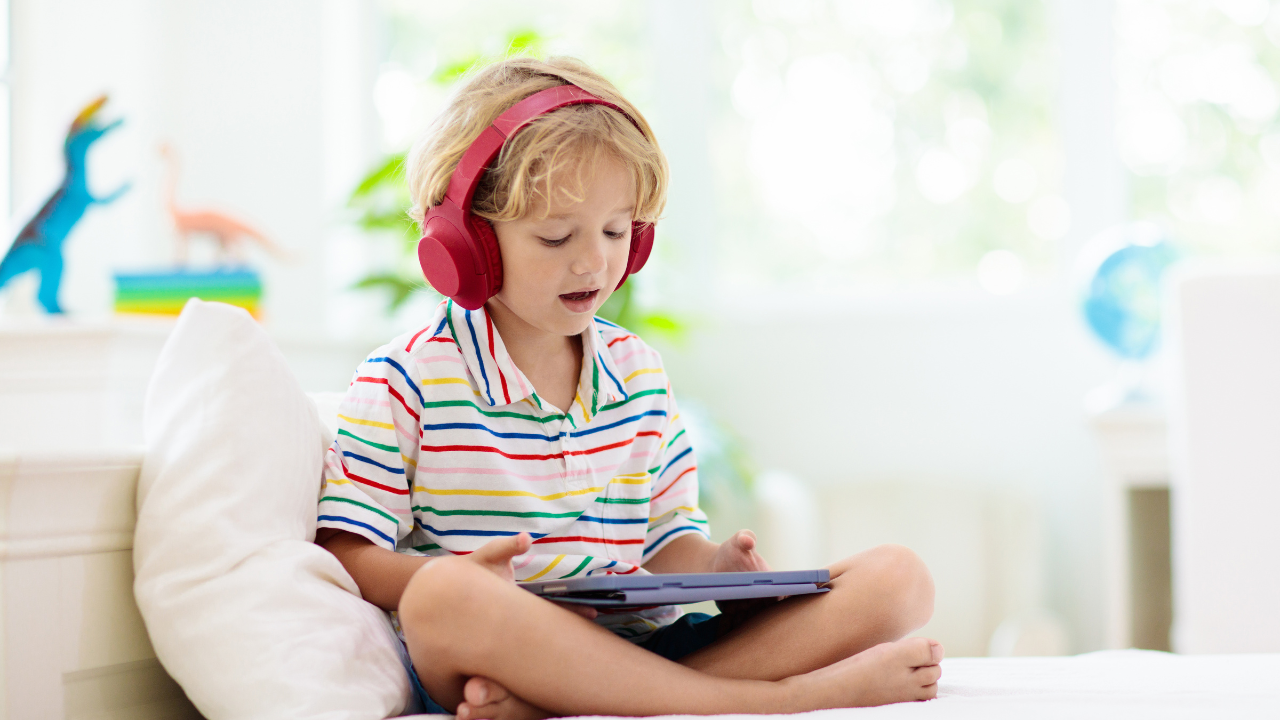
Here’s a small tip that’s easy to try and often overlooked: turn on captions when your child is watching their favorite videos.
Captions were originally designed to support viewers who are Deaf or hard of hearing, but research shows they can benefit many learners, including children who are learning to read and children who communicate in different ways.
When captions are on, spoken words are paired with printed text in real time. That means children are seeing language as they hear it, over and over again, in a context they already enjoy. Even if a child isn’t intentionally “reading” the captions, they’re still being exposed to written words, sentence structure, and vocabulary in a natural, motivating way.
What this looked like in our home
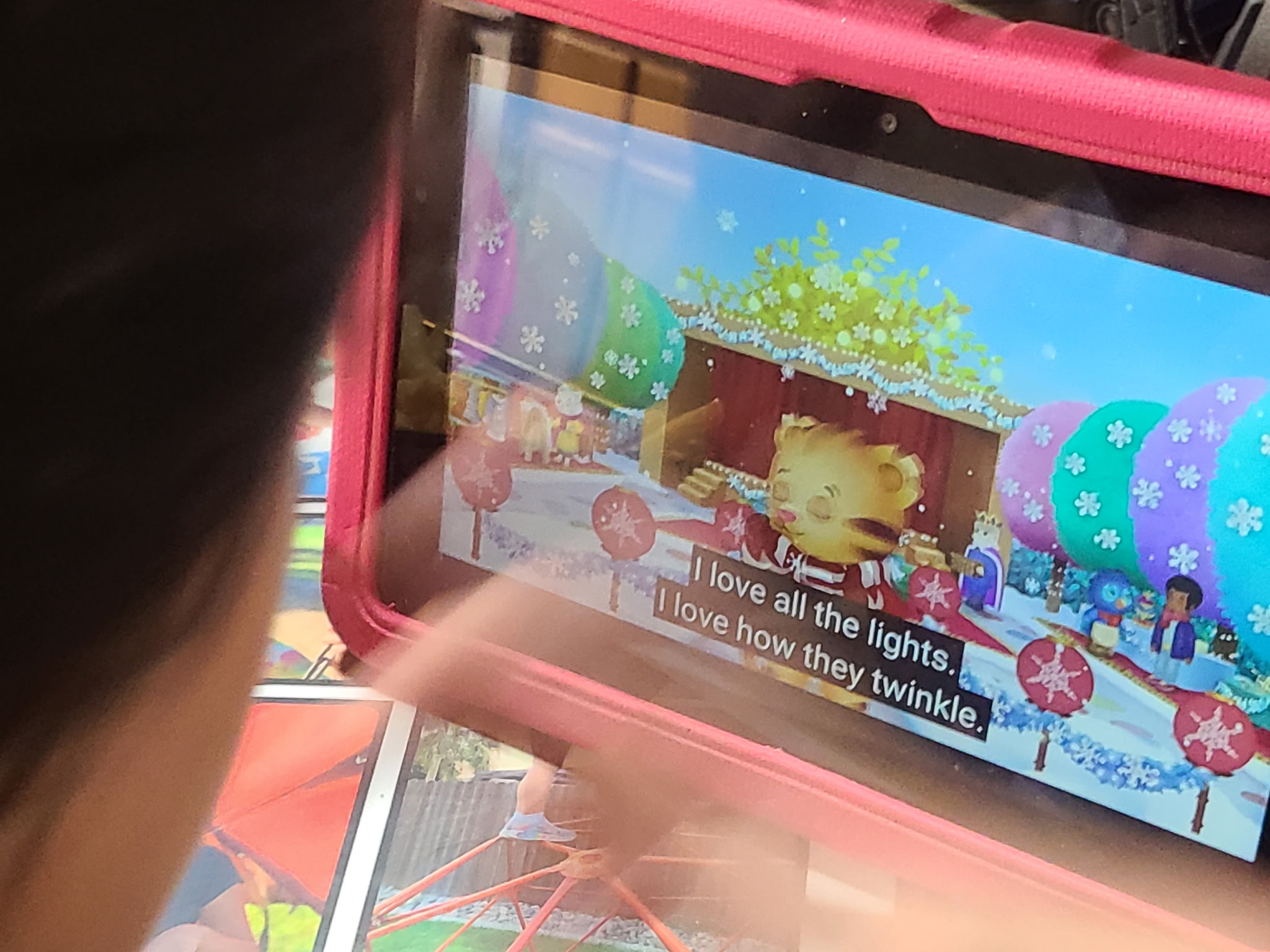
(Pardon the blur, she was happily stimming as I took this photo.)
It’s been quite some time, so I don’t remember exactly when it started, but one day we noticed our daughter, who is now 12, had somehow made her way into the settings of the PBS Kids app and turned on captions. Since then, captions have stayed on across every video app she uses.
We began noticing her pausing videos, rewinding, and fast-forwarding, something she already tended to do, but now with clear attention to the words on the screen. Over time, she started reading some of the captions out loud. She will often pause, point to the words, and ask us to say them aloud, usually followed by happy laughter.
I’ve also watched her select short portions of her shows, pause the video, and use her talker to type words directly from the captions so she can hear them spoken by her device. She’ll repeat this process over and over again. Paired with the curriculum work and regular reading we do together, this exposure has supported her learning in meaningful ways. She’s learned many new words, added more spoken language, and is increasingly willing to work on sounding out unfamiliar words.
Why captions can be helpful
For nonspeaking learners or emerging readers, this kind of exposure can be especially meaningful. Watching familiar videos with captions can support word recognition, reinforce language patterns, and provide repeated access to print without turning screen time into a lesson.
The best part is that this doesn’t require new materials, extra planning, or changing what your child already loves. It’s simply one small switch that can quietly add another layer of language support to something you’re likely already doing.
If you’ve never tried it before, consider turning captions on during a favorite show or video and see what happens. Sometimes the simplest adjustments can open up new opportunities for learning.
REFERENCES
- Turn on the Subtitles – explains how same-language subtitles support reading development and increase exposure to written words through everyday media.
- Captioning to Support Literacy – outlines how captions can improve word recognition, vocabulary, fluency, and comprehension for learners at different stages of reading development.
- Video Captions Benefit Everyone – research summary showing that captions improve comprehension, attention, and language processing for a wide range of learners.
- Captions Help All Learners – describes how captions support focus, understanding, and engagement beyond accessibility needs alone.

Jennifer Bullock, Contributing Author
Homeschooling-experienced mom to a tween, non-speaking daughter, Jennifer is also Marketing Outreach Coordinator for The Autism Oasis. With 20+ years experience in marketing, advertising, and social media communications, you will see her occasionally supporting the blog and social media channels with various content related to Autism Oasis.
Nonverbal Autism Homeschool enrollment is currently open!
Stay connected with news and updates!
Join our mailing list to stay updated on Nonverbal Autism Homeschool courses, special events and new blog posts. You'll also receive free curriculum, inspirational messages, autism parenting hacks and more!
We hate SPAM. We will never sell your information, for any reason.
