
Caring Deeply Without Disappearing
Feb 01, 2026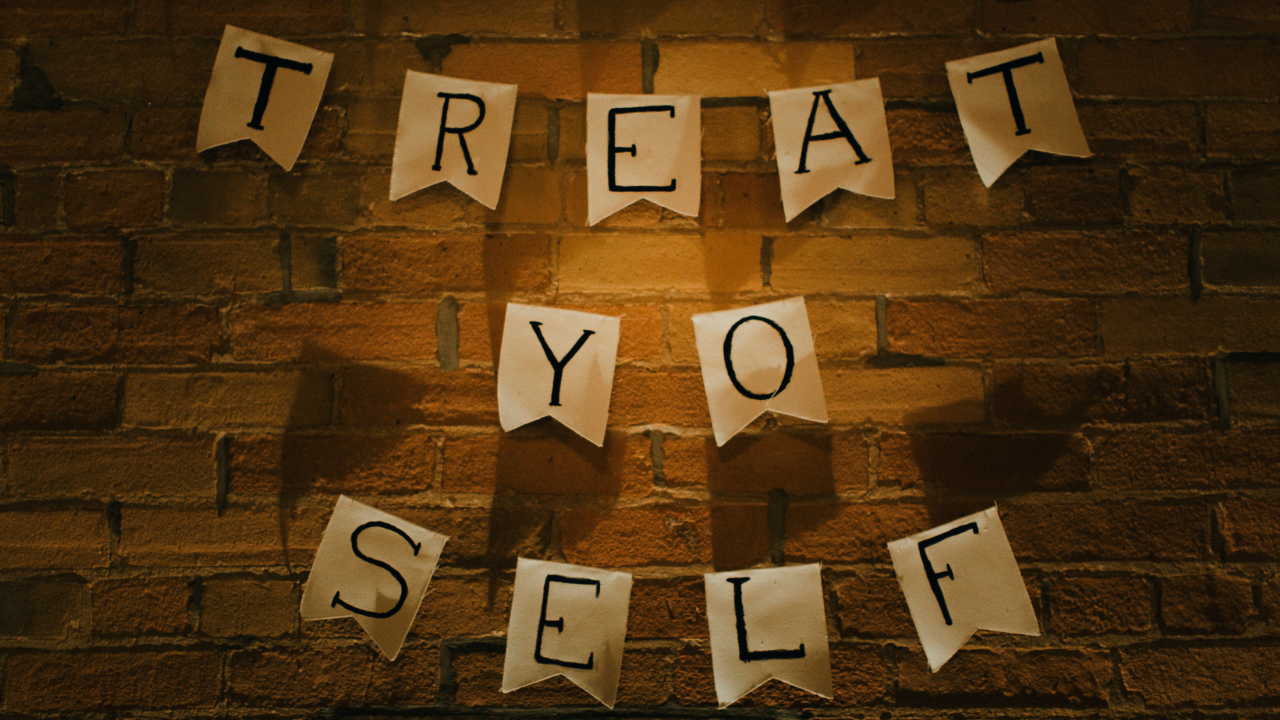
There’s a well-known moment from the popular TV show, Parks and Recreation, where two characters enthusiastically declare “Treat Yo Self.” On the surface, it’s about splurging. But underneath the humor is something quieter and more enduring. “Treat Yo Self” is not rest after burnout. It’s claiming selfhood inside responsibility. It’s the idea that even while carrying real obligations, caring deeply for others, and showing up every day, you’re still allowed to keep small things that are just yours. Not as a reward. Not as an escape. Just as a reminder that you haven’t disappeared.
Self-care is often talked about as something restorative, indulgent, or aspirational. For homeschool parents supporting autistic children or children with complex needs, that framing can feel disconnected from daily life.
If you’re here, you likely don’t need a long explanation of burnout. You already know what it feels like to carry a lot, to make hundreds of small decisions a day, and to keep going even when you’re tired. We won’t dwell there.
This post isn’t about fixing anything. It’s about making room.
This isn’t a complaint
This is not a complaint about caring for or teaching our children. We love them deeply, and we understand how much is going on for them. They are moving through the world with sensory input, emotions, regulation, learning, and communication all layered together, actively doing the work of being present in a world that is not always built for them. Our role is to support and scaffold that work as thoughtfully as we can.
Because we care so much, we often place our own needs at the very bottom of the list. Not out of resentment, but out of devotion. Over time, that becomes habit. We stop checking in with ourselves, not because our needs matter less, but because there is always something else that feels more immediate.
This post isn’t about doing less for our children. It’s about remembering that we are humans too, and that tending to ourselves in small, reasonable ways helps us stay grounded in the roles we already value.
Self-care doesn’t have to be big
When people talk about self-care, they often mean things that require time, money, childcare, energy, or coordination. For many of us, those things aren’t realistic right now.
So instead of asking, What would help me recharge?
A more practical question might be:
What could make today feel a little more manageable or more mine?
Small things count.
Self-care in this season might look like choosing comfort over productivity, letting something be good enough, or allowing yourself a moment that isn’t optimized for anyone else. It doesn’t need to be calming or transformative. It doesn’t need to fix anything.
It just needs to exist.
These moments are not rewards for getting through the day. They are reminders that you still get preferences, choice, and space for yourself, even in seasons where much of life revolves around supporting someone else.
A gentle February challenge
Instead of thinking about self-care as something big or life-changing, try keeping it small.
For the month of February, choose one day each week to do one thing just for yourself. Not because everything else is finished. Not because you earned it. Just because you’re allowed to.
That might look like:
- Buying yourself a favorite treat from Trader Joe’s or Taco Bell
- Sitting in a dark, quiet room for 30 minutes and simply breathing
- Taking a book or small hobby to a coffee shop or library and giving yourself an hour
- Choosing rest without productivity attached to it
These moments don’t have to be impressive. They don’t need to be shared or justified. They just have to be yours.
You don’t have to deny yourself so much in order to be a good parent. Keeping the small things matters, and over time, they add up.
REFERENCES
- Parenting Matters: Supporting Parents of Children Ages 0–8 – overview of how sustained caregiving demands affect parents and why supporting caregivers is essential for family well-being.
- Burnout: The Cost of Caring – explains caregiver burnout and the importance of sustainability for those in long-term helping roles.

Jennifer Bullock, Contributing Author
Homeschooling-experienced mom to a tween, non-speaking daughter, Jennifer is also Marketing Outreach Coordinator for The Autism Oasis. With 20+ years experience in marketing, advertising, and social media communications, you will see her occasionally supporting the blog and social media channels with various content related to Autism Oasis.
Nonverbal Autism Homeschool enrollment is currently open!
Stay connected with news and updates!
Join our mailing list to stay updated on Nonverbal Autism Homeschool courses, special events and new blog posts. You'll also receive free curriculum, inspirational messages, autism parenting hacks and more!
We hate SPAM. We will never sell your information, for any reason.
